Caregiver Dressing and Mobility Challenges | Sambhav

Caregivers play an essential role in supporting persons with disabilities, elderly individuals, and people living with progressive disabilities, rare diseases, genetic disorders, neuromuscular conditions, spinal cord injuries, stroke, cerebral palsy, muscular dystrophy, Parkinson’s disease, multiple sclerosis, arthritis, chronic illnesses, and post-surgical rehabilitation needs. From assisting with daily activities to providing emotional and physical support, caregivers dedicate significant time and energy to improving comfort, safety, dignity, accessibility, and quality of life for their loved ones.
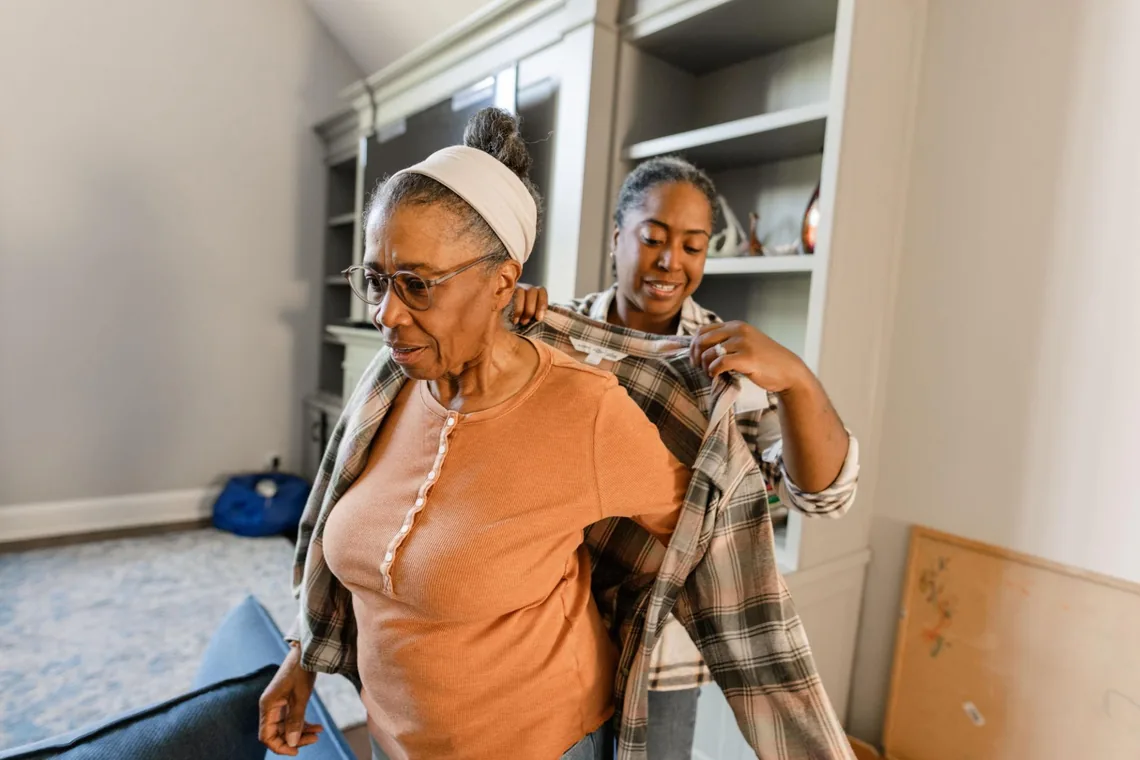
Among all caregiving responsibilities, dressing assistance and mobility support are often some of the most physically demanding and emotionally exhausting tasks. For individuals with limited mobility, muscle weakness, paralysis, balance impairments, sensory sensitivities, chronic pain, joint stiffness, respiratory conditions, or reduced coordination, getting dressed is not always a simple daily routine. Many caregivers struggle with lifting, repositioning, transferring, turning, and supporting individuals during dressing, toileting, wheelchair transfers, physiotherapy sessions, occupational therapy, hospital visits, rehabilitation exercises, and mobility assistance.
The challenges increase further when managing wheelchairs, orthotic braces, prosthetics, catheters, feeding tubes, oxygen support systems, diapers, pressure sore care, post-operative recovery, and long-term rehabilitation support. Traditional clothing is rarely designed with accessibility, inclusive fashion, disability care, or caregiver convenience in mind. Tight necklines, complicated buttons, difficult zippers, narrow sleeves, rough seams, and non-stretchable fabrics can increase discomfort, dressing time, physical dependency, and caregiver stress.
For wheelchair users, bedridden patients, elderly individuals, and people requiring high support needs, dressing may require complete assistance several times a day. Caregivers frequently experience physical strain in the back, shoulders, neck, knees, and hands due to repetitive lifting, awkward posture, bending, and manual handling. Over time, continuous caregiving responsibilities may contribute to caregiver burnout, emotional exhaustion, anxiety, stress, fatigue, repetitive strain injuries, social isolation, and reduced mental well-being.
Adaptive clothing is emerging as an important solution in disability care, elderly care, rehabilitation support, healthcare accessibility, and independent living solutions. Thoughtfully designed adaptive wear helps simplify dressing and mobility support while improving comfort, accessibility, safety, and dignity for persons with disabilities. Features such as Velcro adaptive clothing, magnetic closure clothing, side openings, open-back tops, elastic waistbands, easy-access closures, seamless designs, wheelchair-friendly clothing, pressure sore friendly clothing, sensory-friendly clothing, soft breathable fabrics, adaptive ethnic wear, and easy-to-wear clothing significantly reduce the effort required during dressing and caregiving activities.
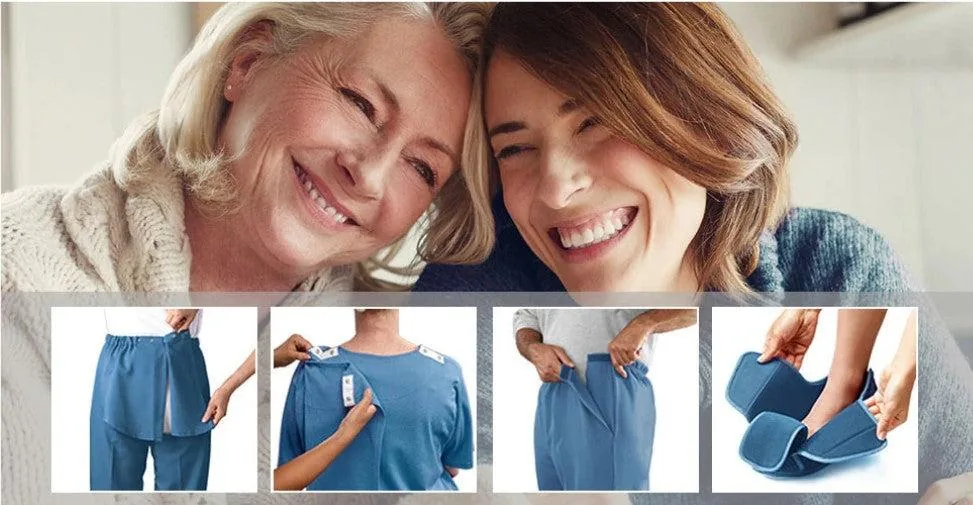
Adaptive fashion is especially beneficial for individuals with mobility impairments, neurological disorders, progressive conditions, age-related disabilities, post-surgery recovery needs, chronic illness support requirements, and rehabilitation therapy needs. Physiotherapy-friendly clothing, occupational therapy clothing, and hospital-friendly clothing improve comfort during therapy sessions and allow easier movement during medical care and rehabilitation exercises.
For caregivers, caregiver-friendly clothing and functional clothing for disabilities significantly reduce dressing time, physical workload, caregiver fatigue, and repetitive strain injuries while making daily care routines safer and more manageable. For persons with disabilities, adaptive clothing improves self-confidence, independent dressing, inclusion, comfort, social participation, and overall quality of life.
Adaptive clothing India is gradually becoming an important part of disability-inclusive fashion and universal accessibility in fashion. Inclusive apparel India and accessible fashion solutions are helping create awareness about the importance of dignity in disability care and supportive clothing solutions for special needs adults, wheelchair users, elderly individuals, and rehabilitation patients.
Inclusive fashion and adaptive wear are not just about garments; they represent accessibility, disability rights, independent living, caregiver support, universal design, mobility-friendly fashion, and equal opportunities for everyone. As awareness about disability inclusion, rare disease support India, and accessible healthcare continues to grow, adaptive clothing is becoming an essential step toward building a more inclusive, compassionate, and accessible society.